What to know about the new generation of online scams
Nearly everyone knows not to trust the Nigerian prince who wants to reward you for helping them out with their banking situation, or the email from your bank that asks you to confirm your personal information. However, new confidence schemes and high-tech swindles are now appearing.
Scammers continue to move the times. New tools and new tactics mean their approaches are fooling those who would normally consider themselves too savvy to be caught out.
Here are five scams currently doing the rounds…
1. It’s the store as local as it looks?
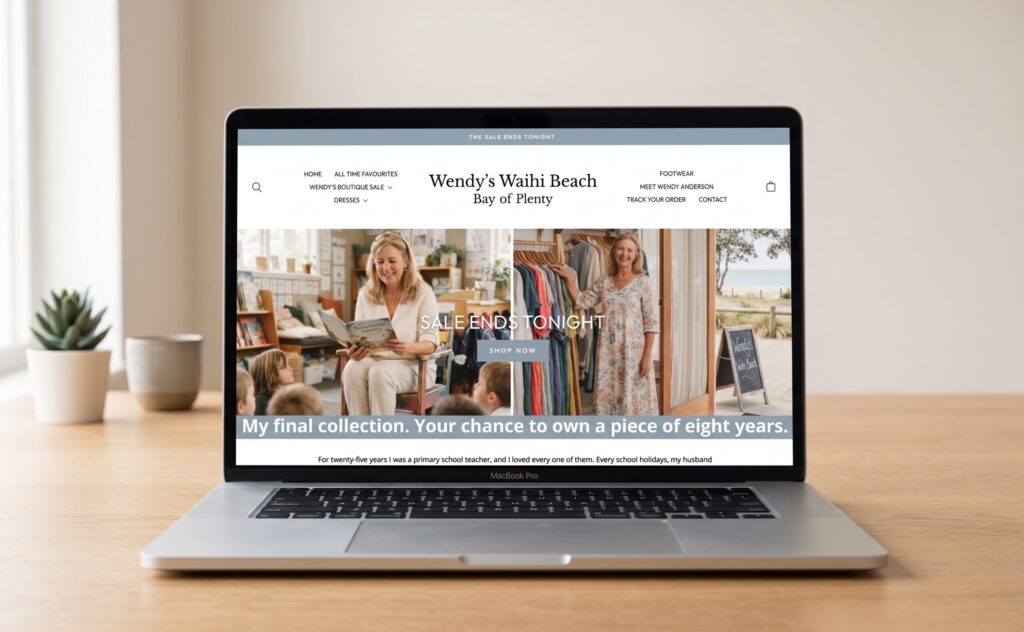
This one has surged in the past year. Fake “local boutique” stores have been showing up regularly as social media ads, often claiming to be closing down or clearing stock at “bargain prices.” The Commerce Commission has received more than 230 complaints in just over a year on such sites.
A recent case saw a fake Arrowtown boutique convince shoppers they were supporting a local business. The store appeared to have professional photography, promised free NZ Post shipping, and claimed to be trusted by more than 55,000 New Zealand customers.
Unsuspecting purchasers did actually receive their products. However, they were of extremely poor quality and significantly different from what they believed they were purchasing.
An easy way to avoid this type of scam is to check that the ‘local business’ who are about to purchase from is actually registered in New Zealand. Look for a real street address and phone number, and be wary of reviews that only appear on the store’s own site. And, as always, trust your instinct. If it’s too good it probably is.
2. Can the investment really not lose?
Investment scams remain one of the costliest, often relying on a slow build-up of trust before being asked for any money even appears. Netsafe reported average investment scam losses climbing from $7,800 in March this year to over $20,000 in the following month of April.
These often start with an unexpected message about a “guaranteed return,” sometimes via a dating app or social media contact who slowly builds trust before introducing the opportunity.
It’s worth remembering that in New Zealand, it’s illegal to sell financial products via cold calling. So any unsolicited investment approach deserves your scepticism.
3. Is the voice on the phone real?
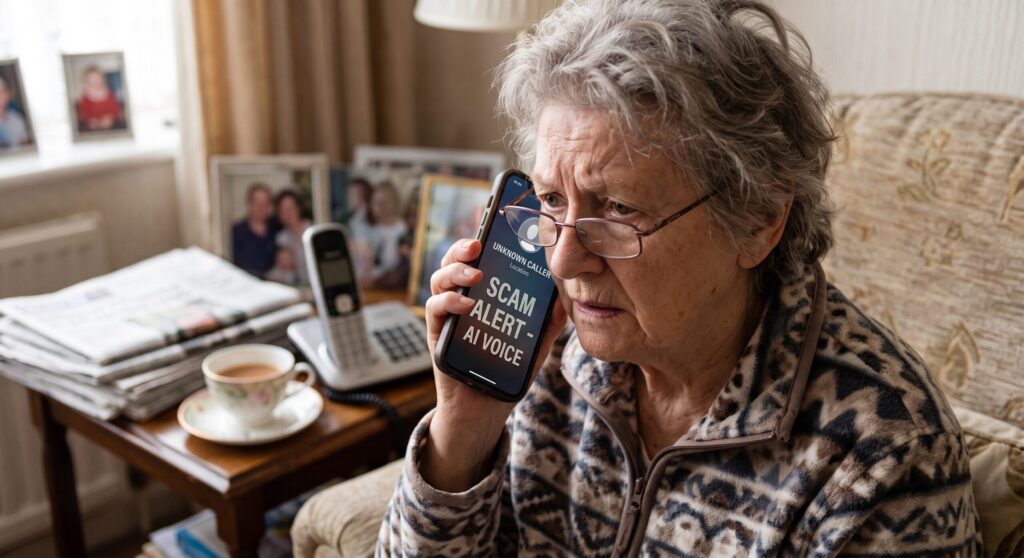
AI has made scam calls increasingly harder to spot. Netsafe has warned that AI-generated deepfakes and cloned voices are becoming more common in scam calls impersonating banks, government agencies, and even family members. Nearly $65,000 was reported as lost to such scams in New Zealand in the first three months of 2026.
While not entirely novel (the relative calling in panic is an old classic known as the Grandparent Scam) it is the use of AI that has brought this one renewed success for nefarious scammers.
If you get a call like this and are unsure of who is on the other end, hang up and ring the person back directly on a number you already have saved. A moment’s pause is worth it for peace of mind.
4. Is the rental house really available?
With the growing housing crisis in New Zealand, some particularly mean-hearted scammers have recently surfaced offering rental properties to those in need.
Hopeful tenants searching for somewhere to live will often comment on Marketplace posts advertising rental properties. This comment places them in public view and shows they need somewhere to live to scammers, who can then approach them with the promise of a great rental in their area.
However, the scammers will be “overseas and unable to meet” but will send keys for the home in exchange for a bond payment. The new tenant then shows up to the home (which is generally occupied) with a key that doesn’t work – and their bond gone for good.
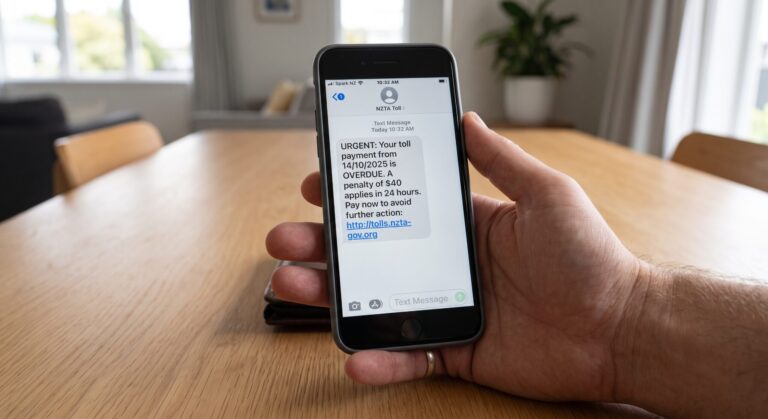
5. Are you really owed a refund – or need to pay a road toll?
With tax time front of mind for many households, Netsafe has flagged a rise in scam messages claiming to be from Inland Revenue, offering a refund or warning of a supposed unpaid amount, with a link to “confirm your details.”
These messages can look convincing, right down to matching branding, but IRD will never ask you to click a link to hand over your bank details or personal information this way.
Money isn’t the only thing scammers dangle to get a reaction. If you have any doubts, it always pays to dig deeper. First, check Google to see if there have been reports of a particular scam or check out Netsafe’s ‘Little Black Book of Scams’.
And if it’s out of the blue or too good to be true, always think twice before sharing information, sending money, or pressing ‘buy now’.